Article Body
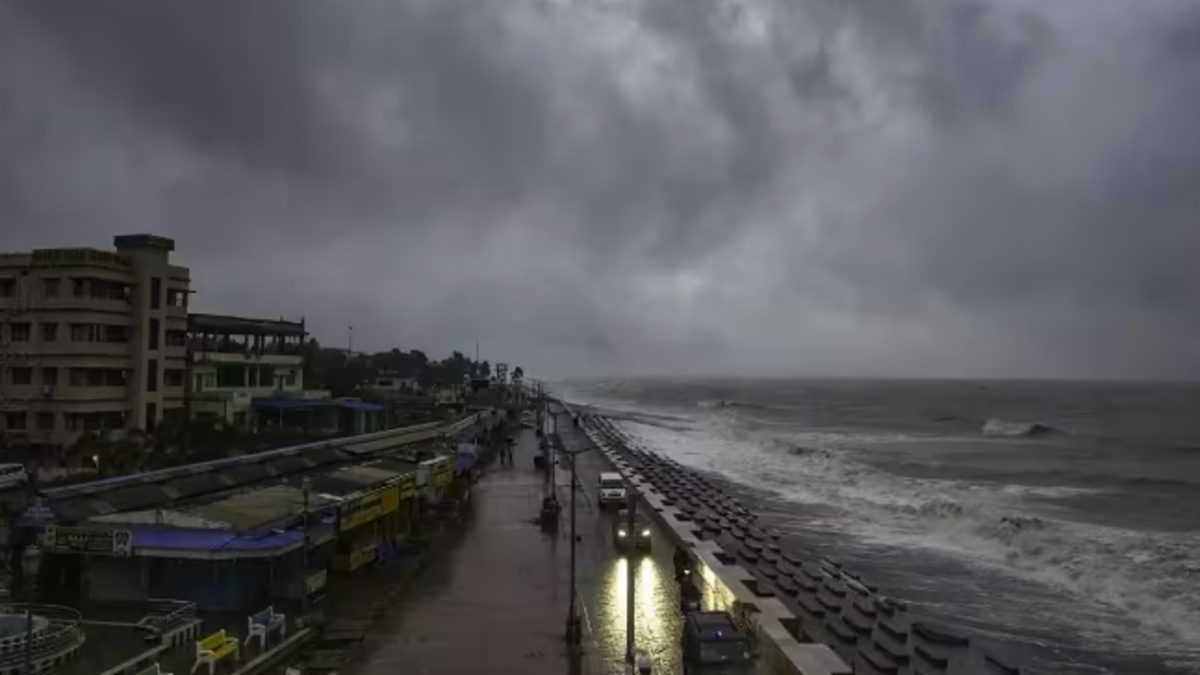
The weather system being widely referred to as Cyclone Arnab 2026 has once again highlighted the vulnerability of India’s eastern coastline to intense weather systems. However, an important distinction needs to be made: as of September 23, the India Meteorological Department (IMD) classified the system over the Bay of Bengal as a deep depression, not a cyclonic storm. It was expected to cross the north Andhra Pradesh–south Odisha coast between Visakhapatnam and Gopalpur, close to Kalingapatnam.
Why Cyclone Arnab Matters
The name Arnab belongs to the regional cyclone naming list and was contributed by Bangladesh. The system's classification is important because public discussion can sometimes become focused on the cyclone's name before the actual intensity and risks are understood.
For coastal Andhra Pradesh and Odisha, the immediate concerns are heavy to very heavy rainfall, strong winds, rough seas and localised flooding. Parts of West Bengal, Chhattisgarh and Telangana may also experience significant rainfall associated with the system.
Preparedness Is Real Test
The more important question is not whether the system officially becomes a cyclone, but whether communities and authorities are prepared for its consequences. Heavy rainfall can overwhelm drainage systems, raise river and reservoir levels and create waterlogging in low-lying areas. Odisha has also identified landslide-prone areas where intense rainfall can create additional risks.
Reports indicate that thousands of people were moved to safer locations in Odisha, while emergency teams, shelters and essential supplies were placed on alert. Such preparedness demonstrates why early warnings and timely evacuation remain central to disaster management.
The lesson from Cyclone Arnab 2026 is therefore straightforward: weather terminology matters, but preparedness matters more. Accurate forecasts, timely public communication and quick evacuation can significantly reduce the human cost of extreme weather. As climate-related weather risks continue to challenge coastal India, disaster preparedness cannot remain a seasonal exercise; it needs to become a permanent part of public planning.

Comments