Article Body
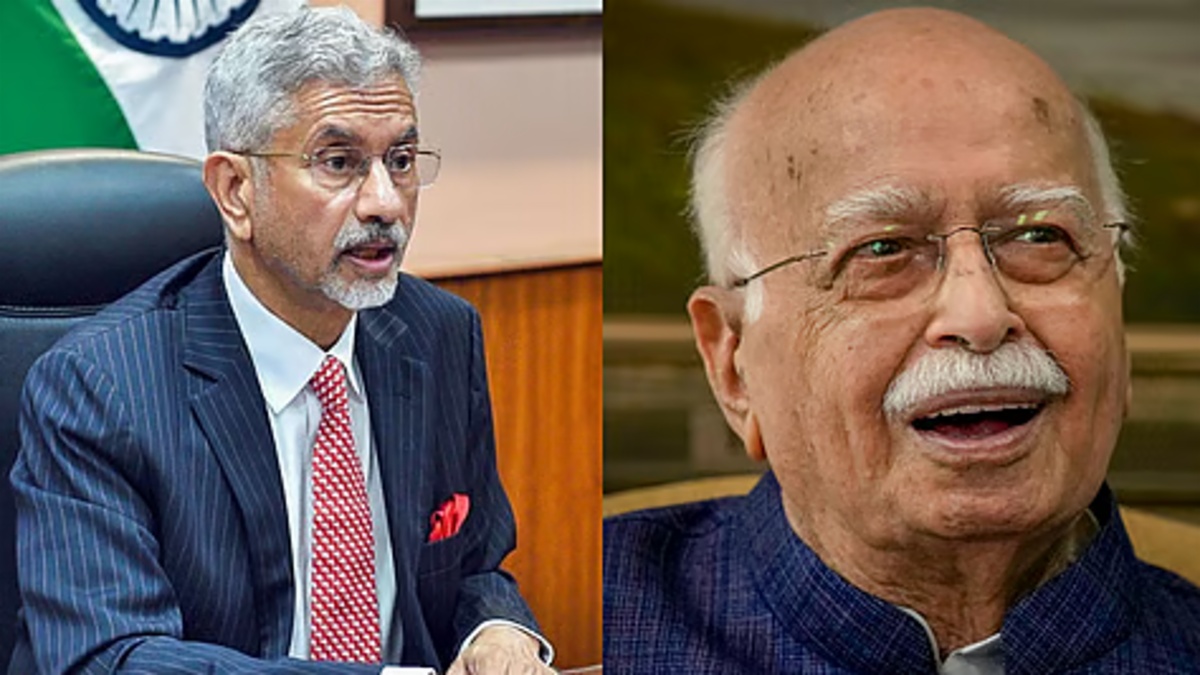
The latest controversy over Delhi’s Special Intensive Revision (SIR) of electoral rolls has acquired unusual visibility after prominent names such as former deputy prime minister L K Advani, External Affairs Minister S Jaishankar and former vice-president Jagdeep Dhankhar appeared among voters receiving notices over discrepancies in their records. But the bigger issue is not the identity of those receiving notices. It is whether the voter-verification process is sufficiently transparent, accessible and consistent for every voter.
According to the Delhi Chief Electoral Officer’s office, more than 33.13 lakh notices are being issued after the publication of draft rolls covering more than 97 lakh voters. Many notices relate to records that could not be mapped with the previous SIR conducted in 2002, while others involve discrepancies in names or family details.
This distinction matters. Receiving a notice does not automatically mean that a voter has been removed or declared ineligible. The Delhi CEO has said that voters will have an opportunity to submit documents and respond, and that deletion cannot take place without an opportunity to be heard and a proper, appealable order.
Yet the scale of the exercise makes transparency particularly important. If millions of voters are being asked to explain discrepancies, the system must make it clear why each person has been flagged, what documents are required and how objections can be resolved. A complicated verification process can become difficult for elderly voters, migrants, people who have changed addresses and families whose records have evolved over several decades.
The appearance of prominent names has therefore made an otherwise technical electoral-roll exercise a national talking point. But their inclusion should not be treated as proof that the entire SIR process is either flawed or beyond question. Likewise, official assurances should not eliminate legitimate questions about transparency.
The real test will be the due-process stage: whether genuine voters can correct their records without unnecessary barriers and whether ineligible or outdated entries are removed through verifiable procedures.
With the claims-and-objections phase underway, voters receiving notices have been asked to respond with supporting documents by October 29, while the final electoral roll is scheduled for publication on November 4.
For an electoral system, accuracy and inclusion must go together. The credibility of Delhi’s SIR will ultimately depend not on how many notices are issued, but on how fairly and transparently every case is resolved.

Comments