Article Body
India’s campaign at the Asian Games 2026 is increasingly being defined by a combination of established dominance and emerging young talent. Saturday’s developments in Aichi-Nagoya offered several reasons to view the country’s sporting progress beyond individual medals.
The biggest statement came from women’s kabaddi, where India defeated Iran 37-34 to retain the Asian Games crown. The victory extended India’s remarkable record in the event, with the team winning gold at every Asian Games edition since women’s kabaddi debuted at Guangzhou 2010, apart from 2018. India’s ability to identify and exploit Iran’s vulnerability on the left flank also highlighted the importance of tactical preparation in high-pressure finals.
Squash provided another major talking point. Teenager Anahat Singh overturned an early deficit against Japan’s higher-ranked Satomi Watanabe to reach the women’s singles final. Her comeback underlines the growing confidence of India’s younger athletes on the continental stage. Abhay Singh also reached the men’s singles final, giving India two singles finalists in squash. Their progress adds another dimension to India’s medal prospects while showcasing the sport’s emerging depth.
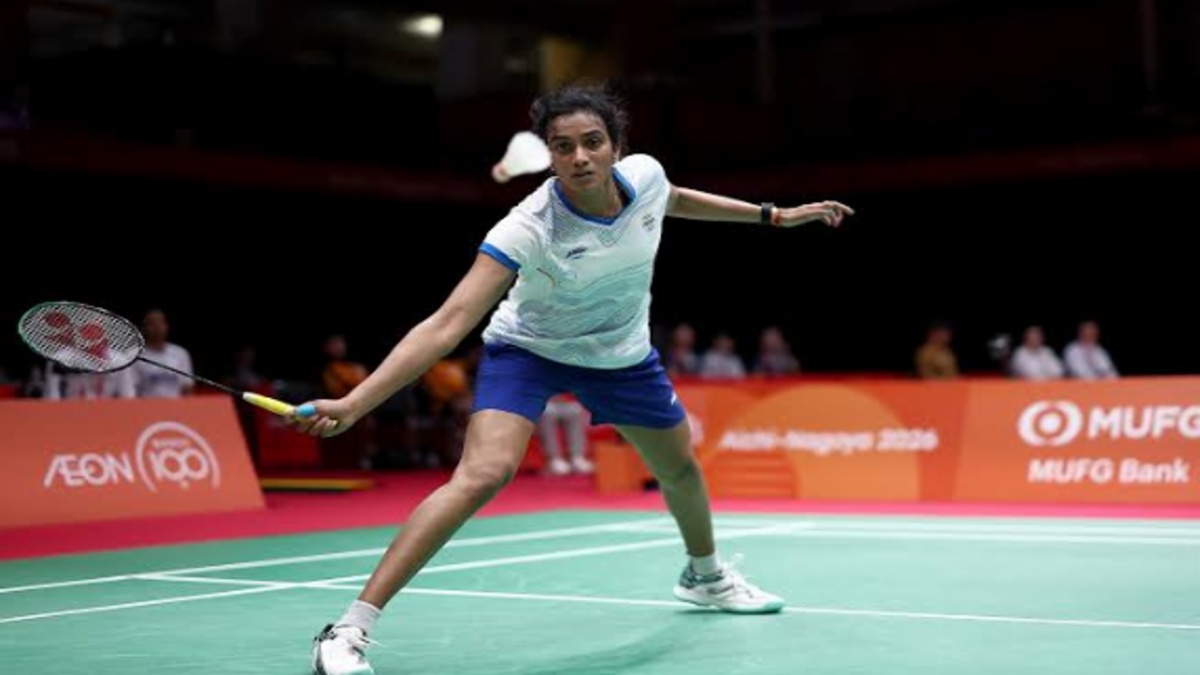
Badminton, too, produced encouraging moments. Unnati Hooda defeated Indonesia’s Putri Kusuma Wardani 21-19, 21-13, while the women’s doubles pair of Treesa Jolly and Gayatri Gopichand overcame Japan’s Mayu Matsumoto and Yuki Fukushima 24-22, 21-18. These results point to a broader pool of Indian players capable of challenging strong Asian opponents.
Taken together, the day’s results suggest that India’s Asian Games campaign is not dependent on a handful of established names. From Anahat’s resilience to kabaddi’s tactical maturity and badminton’s younger contingent, the emerging picture is one of greater depth, confidence and competitive variety.

Comments