Article Body
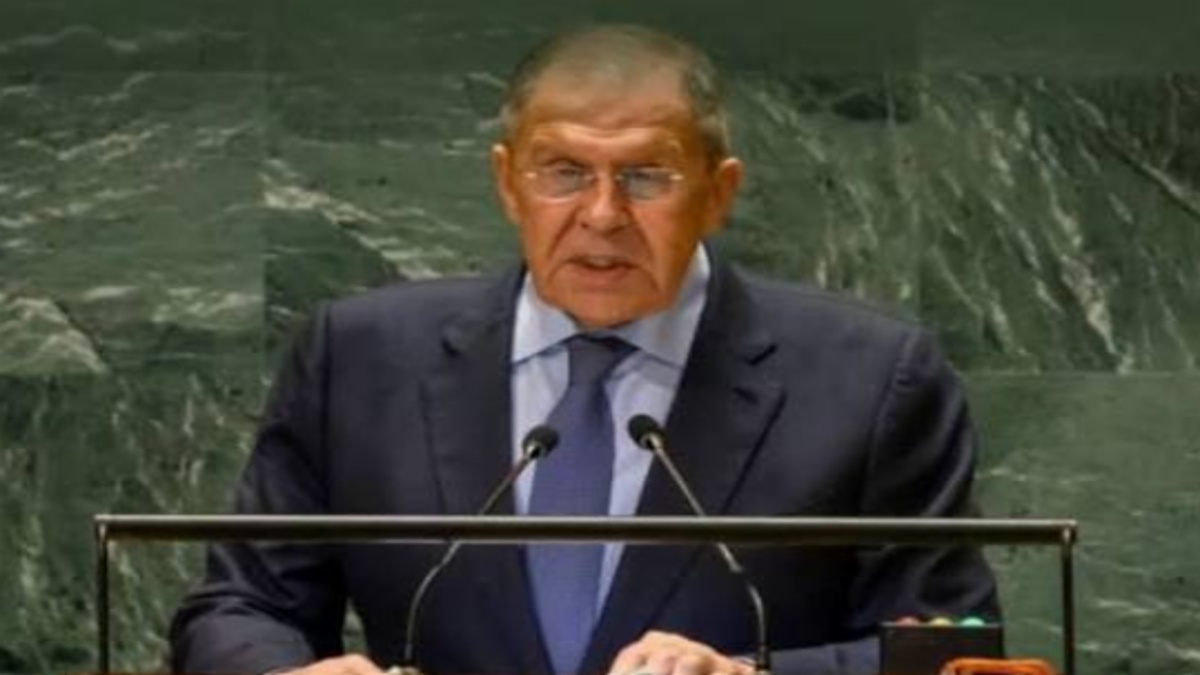
Russia’s renewed support for India’s permanent seat in the United Nations Security Council (UNSC) has brought fresh attention to the long-running debate over reforming the world body’s most powerful decision-making institution. Speaking at the 81st UN General Assembly in New York, Russian Foreign Minister Sergey Lavrov backed the candidatures of India and Brazil while calling for greater representation from Asia, Africa and Latin America.
From an analytical perspective, Moscow’s position reflects a broader argument that the composition of the UNSC should better represent today’s geopolitical and economic realities. The Council currently has five permanent members — the United States, Russia, China, France and the United Kingdom — along with 10 non-permanent members. Its permanent structure has remained unchanged since 1945.
India’s demand for permanent membership has increasingly been linked to the larger question of Global South representation. Support from Russia is particularly significant because Moscow is itself a permanent member with veto power. Russia has also previously endorsed India and Brazil while arguing for stronger representation of Africa.
However, diplomatic support alone does not automatically translate into UNSC reform. Any expansion of permanent membership requires changes to the UN Charter, making the process dependent on negotiations among member states and the existing permanent members.
The latest Russian statement therefore matters less as an immediate change to the UNSC and more as another indication of the growing international debate over who should have a permanent voice in global security decisions.
For India, the challenge now extends beyond collecting expressions of support. The broader diplomatic task is to build consensus across regions and address the complex institutional and political questions surrounding Council expansion. Russia’s backing adds another important voice to that discussion, while the UN reform debate remains far from settled.

Comments