Article Body
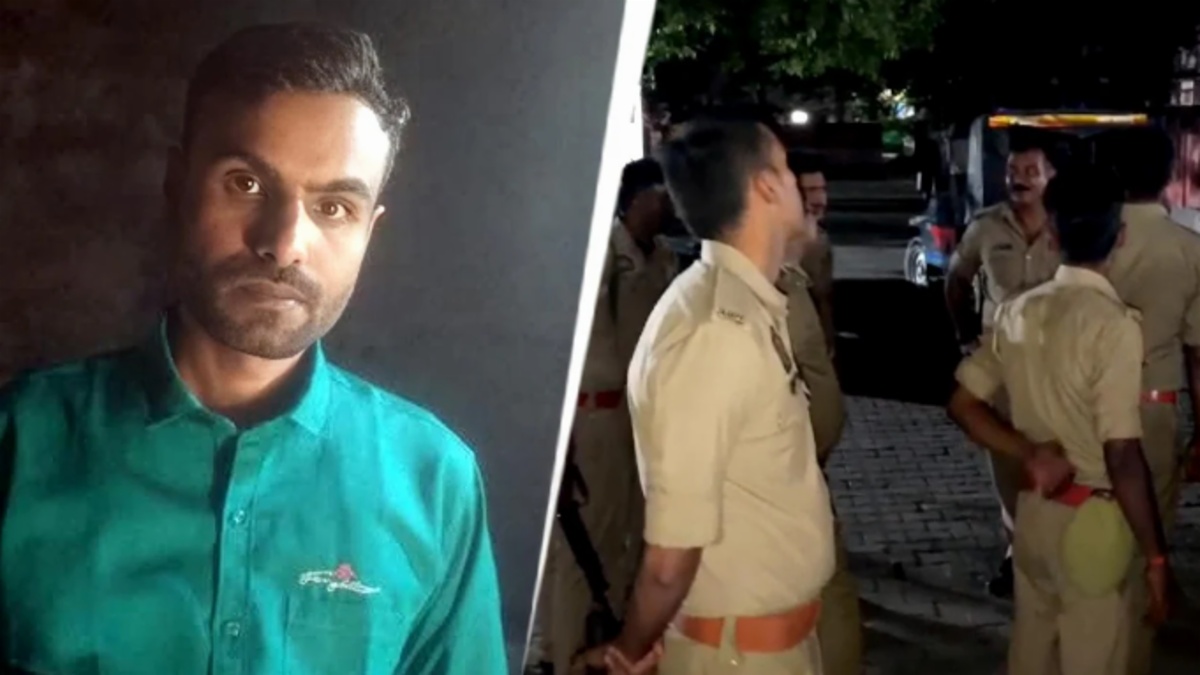
The shocking Azamgarh hostage crisis is not merely a story of a seven-hour police standoff. It is also a disturbing reminder of how unresolved trauma, deep mistrust and access to firearms can turn a troubled family situation into an irreversible tragedy. On September 22, a religious ritual at a house in Shambhupur village reportedly ended with the deaths of a woman and two priests, followed by a hostage situation involving three children.
Police Operation Under Extreme Pressure
After the shootings, accused Arvind Singh reportedly locked himself inside a room with his children and refused repeated appeals to surrender. Senior police officers, SOG personnel and an ATS team were involved in the operation. According to police accounts, negotiations continued for nearly seven hours before a gunshot from inside the room prompted officers to enter. Singh allegedly opened fire at the police team, leading to retaliatory firing.
The outcome was devastating. Singh was critically injured and later died, while his nine-year-old son also succumbed to gunshot injuries. His two daughters were rescued.
Bigger Question Behind the Azamgarh tragedy
Reports indicate that Singh's family had arranged the religious ritual because of concerns about his behaviour. Some accounts also connect his distress to the 2018 killing of his elder brother. However, claims about his psychological condition and the precise motivations behind the violence remain matters for investigators rather than conclusions that should be drawn from the tragedy alone.
The Azamgarh tragedy raises difficult questions about early intervention, family support and firearm access when serious warning signs are present. It also demonstrates the enormous pressure faced by police during hostage situations, where officers must balance negotiation, time and the immediate safety of victims.
Ultimately, the most painful aspect is that children became victims of a conflict they had no role in creating. The incident should therefore prompt discussion not only about policing, but also about preventing domestic violence, recognising escalating distress and ensuring that vulnerable families receive timely intervention before a crisis becomes irreversible.

Comments