Article Body
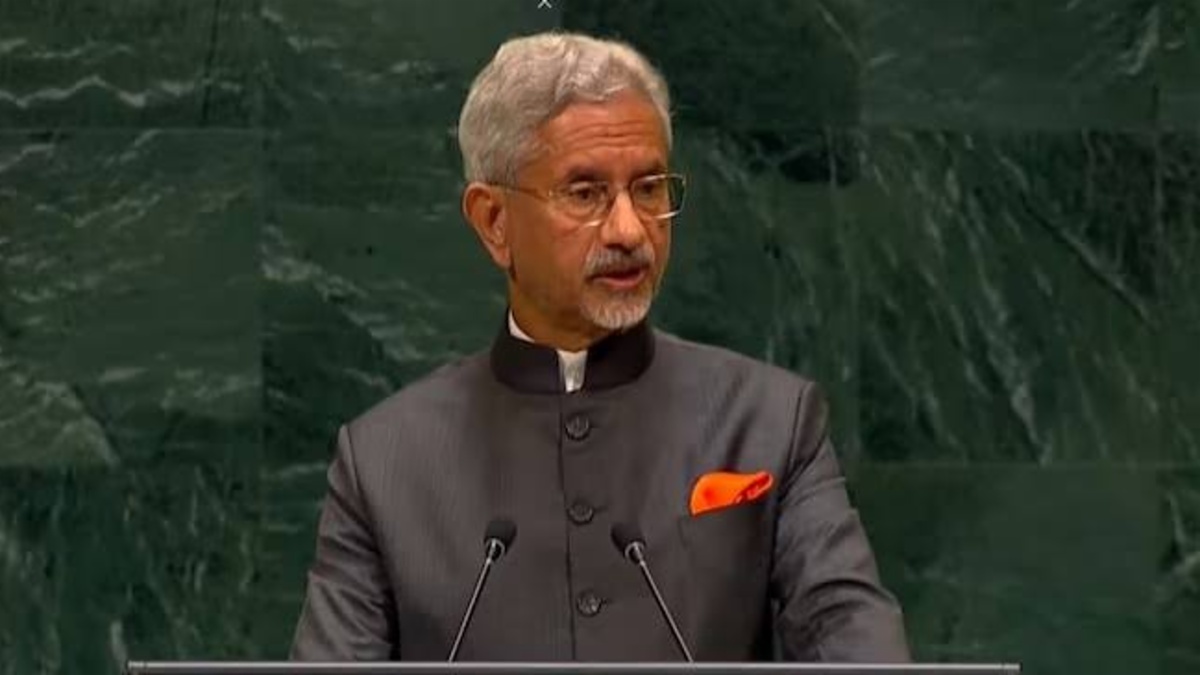
External Affairs Minister S. Jaishankar’s address to the 81st United Nations General Assembly has once again placed terrorism at the centre of India’s diplomatic messaging. Responding to Pakistan’s presentation at the UN, Jaishankar said attempts to normalise terrorism or claim immunity from its consequences would not stand. He also reiterated India’s right to defend itself against terrorism.
The significance of the statement goes beyond the exchange of accusations between India and Pakistan. At a time when the UN is confronting conflicts across multiple regions, New Delhi is seeking to reinforce the principle that terrorism cannot be separated from broader discussions on international peace and security.
Jaishankar’s remarks also underline a recurring theme in India’s foreign-policy position: dialogue and goodwill cannot be sustained independently of security concerns. His assertion that “friendship and goodwill cannot coexist with terrorism” reflects the importance New Delhi places on accountability while dealing with neighbouring countries.
The timing is particularly notable. Pakistan Prime Minister Shehbaz Sharif had raised Kashmir and the 2025 India-Pakistan conflict during his UNGA address. India subsequently used its Right of Reply to reject Pakistan’s assertions and reiterate its position on terrorism and Jammu and Kashmir.
Jaishankar also broadened his UNGA message beyond the India-Pakistan dispute. He spoke about the consequences of global conflicts for food, fuel, fertiliser and financial security, particularly for countries in the Global South. He further highlighted maritime security and the need to protect commercial shipping and seafarers.
The broader takeaway is that India is attempting to connect counter-terrorism with the larger question of global security. The challenge for international diplomacy is now to translate strong statements into consistent multilateral action against terrorism, while keeping channels for peaceful engagement open.

Comments