Article Body
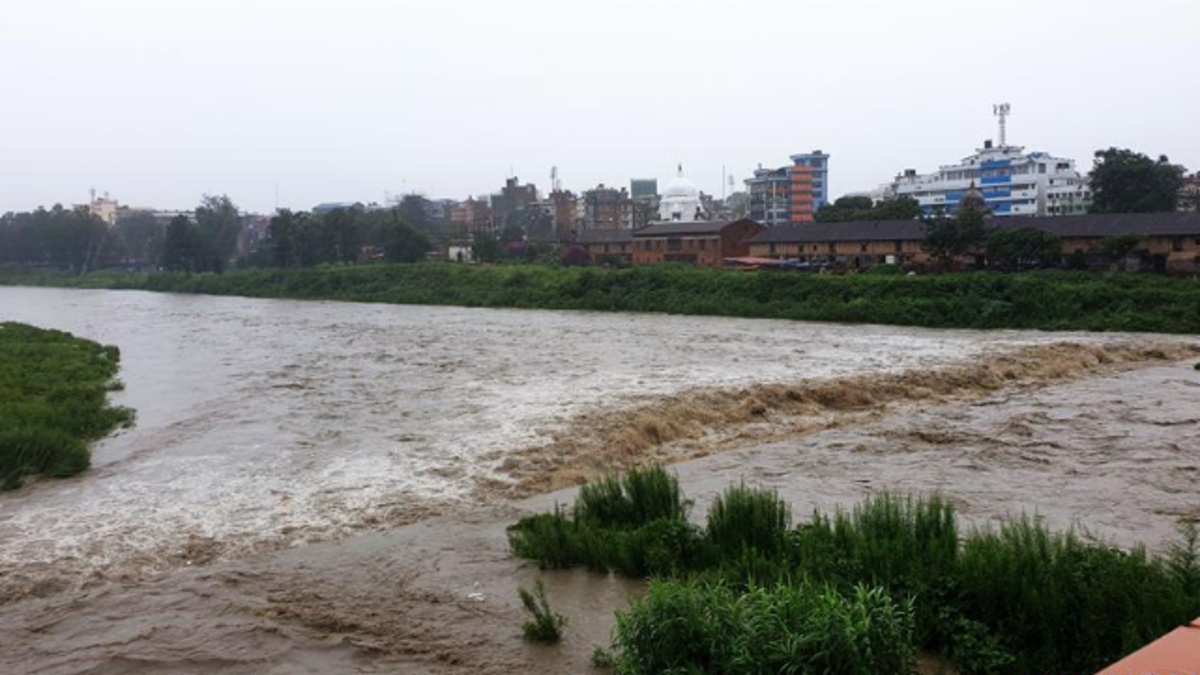
Kathmandu, Nepal: Persistent heavy rainfall has created a serious situation in Kathmandu, with the swollen Bagmati River overflowing its banks and prompting a high alert in low-lying riverside communities. The combination of rising water levels and widespread landslides is once again highlighting Nepal’s vulnerability to extreme rainfall and its impact on urban and transport infrastructure.
The overflowing Bagmati is particularly concerning for communities living close to the river. When heavy rainfall continues for prolonged periods, rivers can rise rapidly, leaving residents with limited time to respond. The situation underlines the importance of timely warnings, effective drainage systems and preparedness in vulnerable neighbourhoods.
Major Highways Blocked
The disruption is not limited to Kathmandu’s riverside areas. Key highways connecting the capital with other parts of Nepal, including the Prithvi Highway, BP Highway and Kanti Lokpath, remain blocked by landslides. Long-distance transport vehicles have been stranded along roads, affecting the movement of passengers and goods.
From an infrastructure perspective, the disruption demonstrates how dependent Nepal’s road network remains on a limited number of major routes. When landslides block these highways, the consequences can quickly extend beyond individual locations, affecting supply chains, travel and access to essential services.
The immediate priority is understandably the safety of people living in flood- and landslide-prone areas. Authorities also face the challenge of reopening critical roads while monitoring further rainfall and potential slope failures.
The Bagmati River flooding and highway blockages in Nepal offer a broader reminder that extreme weather can expose weaknesses in both urban planning and transportation infrastructure. Kathmandu’s rapid growth makes flood management increasingly important, while Nepal’s mountainous geography makes completely eliminating landslide risks difficult.

Comments