Article Body
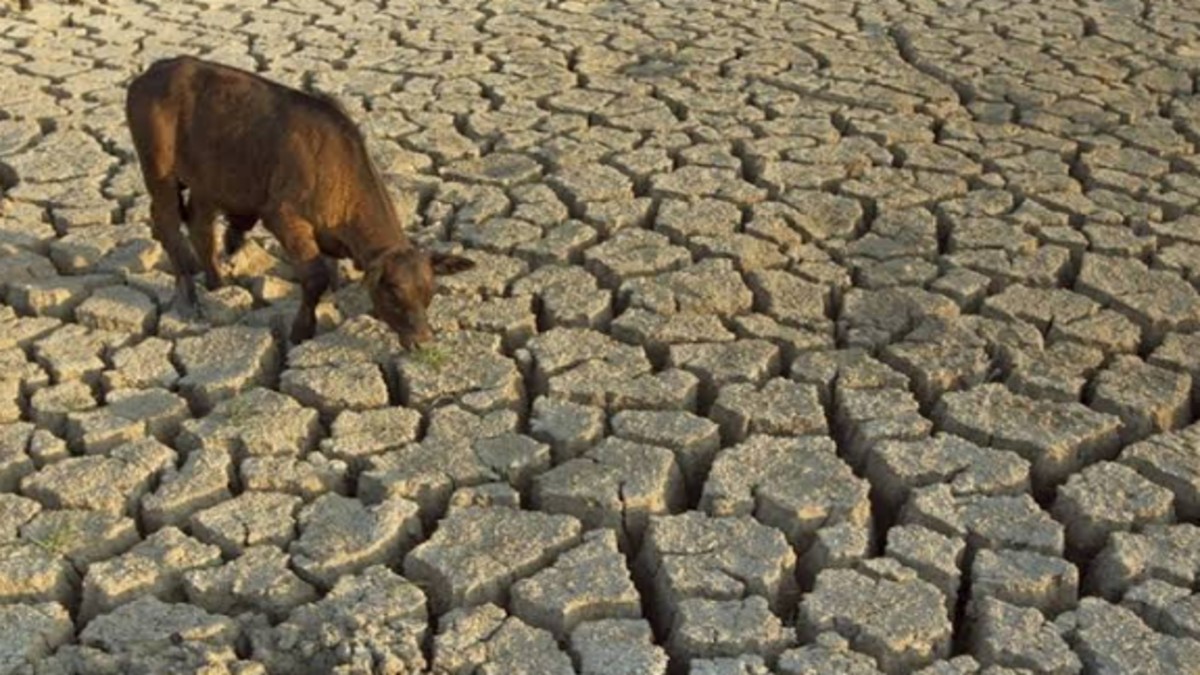
Maharashtra’s decision to declare drought in 265 talukas has brought the state’s deepening water and agricultural crisis into sharp focus. The affected areas account for nearly three-fourths of Maharashtra’s talukas, making this more than a regional agricultural setback. It is a wider warning about the state’s vulnerability to erratic monsoons and prolonged dry spells.
The crisis is particularly severe in Marathwada and parts of Vidarbha, where farmers have faced crop losses after delayed sowing and long gaps between rainfall spells. Indian Express reported that 31 of Maharashtra’s 36 districts were rain-deficient, while several areas experienced extended dry periods. Soybean and cotton, important kharif crops for small and marginal farmers, have been among those badly affected.
The drought declaration is therefore an important administrative step, but its real significance will depend on what follows. The government has indicated measures including land-revenue relief, crop-loan restructuring and a halt to recovery of agriculture-related loans. Crop-loss compensation is expected to follow detailed assessments.
The larger concern is water security. Reservoir levels, particularly in Marathwada, are substantially lower than last year, while Maharashtra’s largely rain-dependent agriculture remains exposed to changing rainfall patterns.
The Maharashtra drought crisis also raises a broader policy question: should drought management remain primarily a response to rainfall failure, or should it increasingly focus on water conservation, groundwater recharge, crop diversification and climate-resilient farming?
Relief is essential for farmers facing immediate losses. But long-term drought resilience will require sustained investment before the next monsoon failure arrives. The current crisis offers Maharashtra an opportunity to move from emergency management towards a more durable water and agricultural strategy.

Comments