Article Body
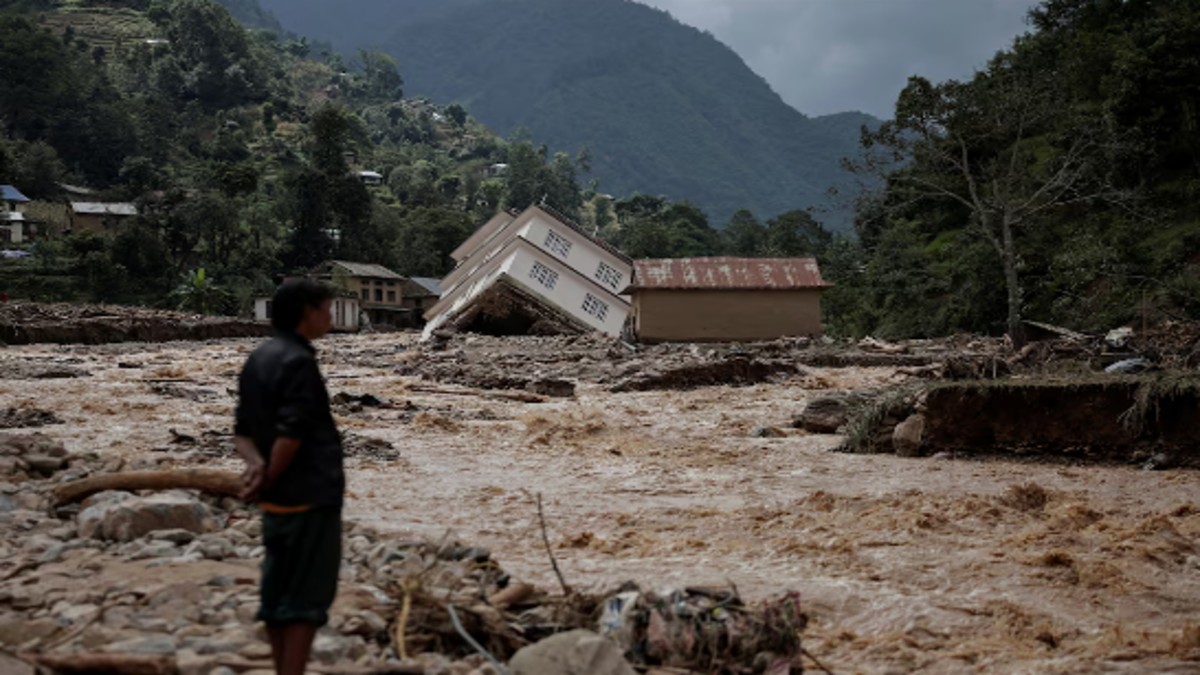
The latest Nepal floods and landslides are once again highlighting the vulnerability of Himalayan communities to extreme weather. At least 21 people have died, five remain missing and several others have been injured after torrential rain triggered floods, landslides and road disruptions across the country.
The situation is particularly worrying because Nepal is still recovering from the devastating flash floods of August, which killed more than 1,450 people and left thousands missing. The fresh spell of heavy rain has therefore added another layer of pressure on communities, infrastructure and emergency services already dealing with the consequences of an earlier disaster.
The latest developments also demonstrate how quickly river conditions can change. The Narayani River crossed its danger level at Devghat in Chitwan, while the Riu stream also rose above its danger mark. In Butwal, the Tinau River crossed the danger level, sweeping away six houses and forcing the evacuation of around 1,000 people from vulnerable areas.
Landslides present an equally serious challenge. Roads and highways have been blocked in several districts, disrupting transport and making rescue operations more difficult. In mountainous terrain, even a relatively short period of intense rainfall can create cascading risks involving unstable slopes, blocked rivers and sudden flooding.
The immediate priority is clearly evacuation, rescue and timely warnings. But the broader lesson from the Nepal floods is the importance of long-term disaster preparedness. Stronger early-warning systems, safer infrastructure, better land-use planning and reliable communication networks can reduce the human cost of extreme weather.
For a Himalayan country repeatedly exposed to floods, landslides and other hazards, disaster management cannot remain limited to emergency response. The latest crisis reinforces the need for preparedness to become a continuous part of development planning.

Comments