Article Body
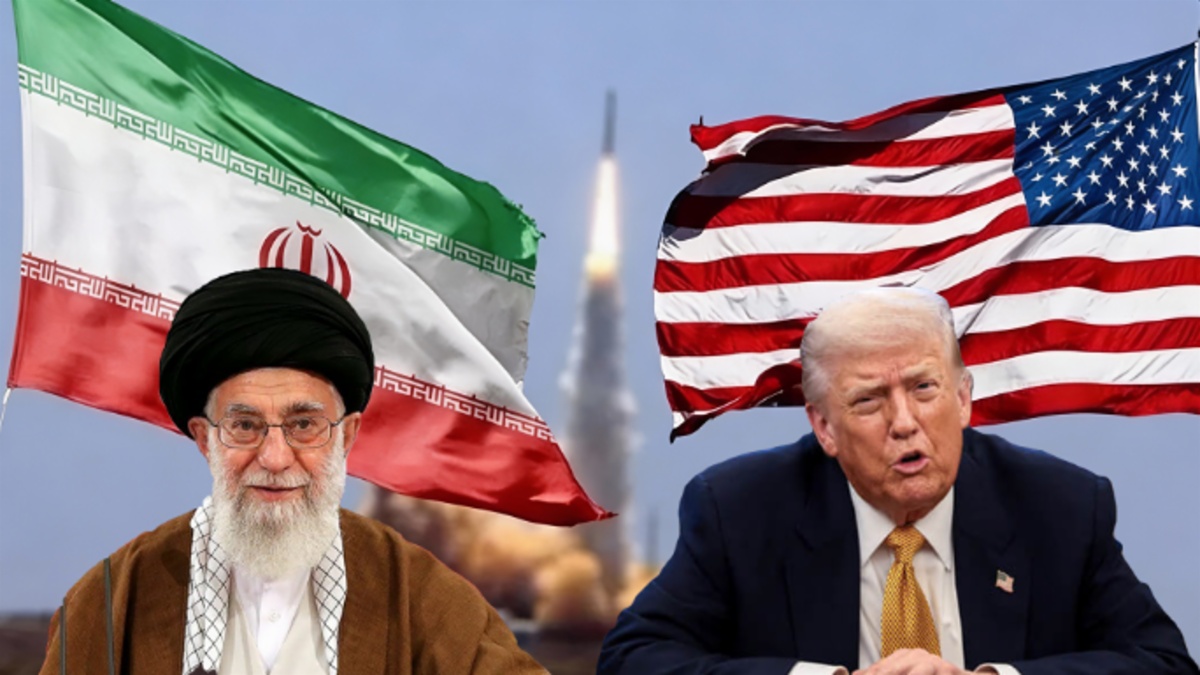
The latest warning from Iran’s military that the United States may be preparing to resume strikes has pushed the Iran-US conflict back towards another dangerous crossroads. Tehran says it has received information indicating preparations for renewed American attacks and has warned that any fresh assault would trigger retaliation against US bases and interests in the Middle East. Washington has not publicly confirmed that a new strike campaign is about to begin.
The significance of the warning lies in what could follow. The region has already endured months of fighting, disruption to energy supplies and severe pressure on shipping through the Strait of Hormuz. Reuters reported on September 21 that only 17 commodity vessels crossed the strategic waterway over the weekend, compared with 125 a day before the conflict. That makes any further military escalation a potential economic problem well beyond Iran and the United States.
Dangerous Space Between War and Diplomacy
What makes the present moment particularly complicated is that military threats and diplomatic signals are appearing simultaneously.
President Donald Trump has continued to threaten Iran while also indicating an openness to discussions. Iran has likewise maintained that it will defend itself while messages are being passed through mediators. Qatar is attempting to help revive negotiations, while the upcoming UN General Assembly provides another potential diplomatic setting.
This creates a narrow but important opportunity. If military pressure is being used to strengthen negotiating positions, there is always a risk that another strike could instead trigger retaliation, widen the conflict and make negotiations more difficult.
Hormuz Makes Stakes Global
The Strait of Hormuz is central to the crisis because it is one of the world's most important energy routes. Any prolonged disruption can affect oil markets, shipping costs and economies far beyond the Gulf. Recent oil-market movements have already demonstrated how strongly expectations about diplomacy and escalation can influence prices.
That is why the immediate priority should be preventing another cycle of strike, retaliation and counter-retaliation. Military threats may dominate headlines, but diplomacy remains the only mechanism capable of addressing the underlying disputes without continually expanding the battlefield.
The latest Iranian warning should therefore be treated as a serious signal, not as confirmation that another US attack is inevitable. The coming days will test whether Washington and Tehran allow military calculations to determine the next chapter—or whether mediators can keep a diplomatic channel open.

Comments