Article Body
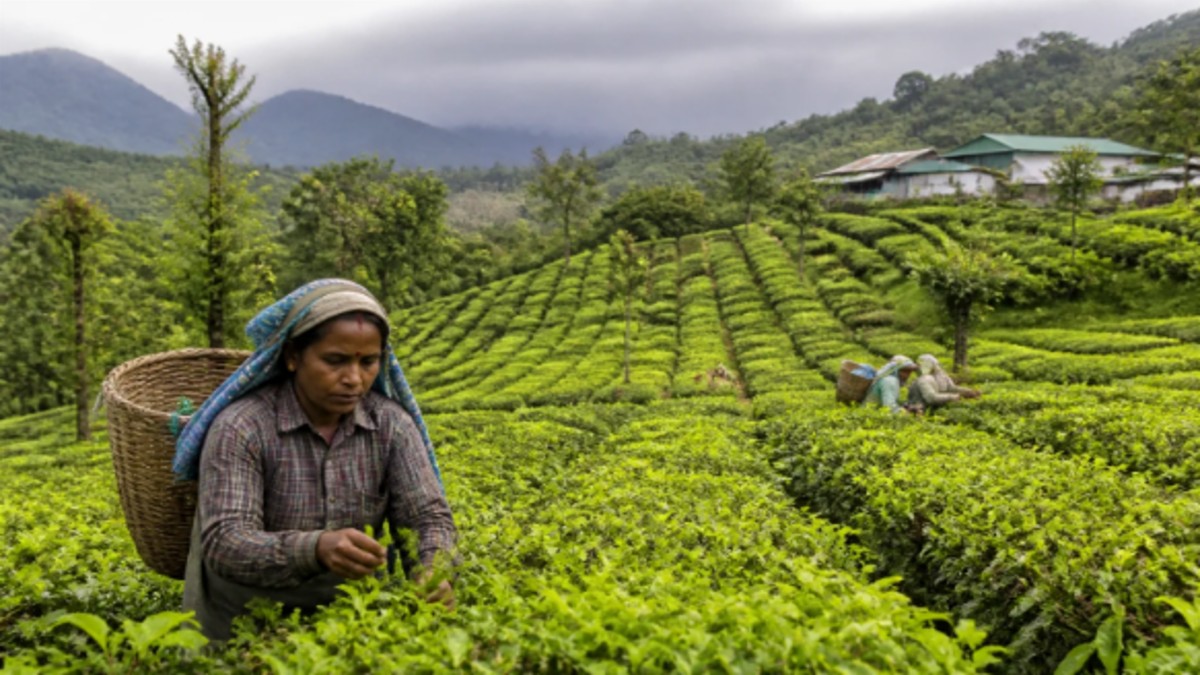
North Bengal is at an important crossroads. A series of announcements covering tea workers, infrastructure, tourism, housing and wildlife conservation points towards an ambitious development agenda for the region. The bigger question, however, is whether economic expansion can move forward without weakening the ecological and social systems that make North Bengal unique.
The government has allocated ₹313 crore for the welfare of tea workers and their families, while surplus tea-estate land is proposed to be distributed among workers and efforts are being made to reopen closed gardens. This is significant because the future of the tea economy depends not only on production but also on the livelihoods and security of workers who sustain it.
Infrastructure is another major focus. The inauguration of the ₹20-crore Murti river bridge is expected to improve connectivity between Nagrakata and Jalpaiguri through forest areas. A new bridge over the Kalikhola stream is also planned after the previous structure was washed away in a flash flood. Such projects can strengthen local connectivity, but North Bengal's fragile terrain demands careful planning, particularly in flood- and landslide-prone areas.
Tourism could become another major economic driver. Plans to develop the Terai and Dooars as tourism destinations within a year, alongside nature, wildlife and religious tourism in Cooch Behar, could diversify local economies. The proposed introduction of commercial flights at Hasimara could further improve accessibility.
Yet North Bengal's greatest asset is also its most sensitive responsibility: its biodiversity. The destruction of 142kg of seized wildlife animal parts on World Rhino Day sends a strong conservation message. At Jaldapara, the naming of elephants Chaitanya and Sulakshana and sightings of rhinos, including calves, highlight the region's rich wildlife heritage. The announced October 2 tiger release into Buxa Tiger Reserve adds another dimension to conservation efforts.
The challenge now is implementation. Roads, bridges, tourism and aviation can create jobs and improve connectivity, but development must remain compatible with forests, rivers and wildlife corridors.
North Bengal does not have to choose between development and conservation. The real opportunity lies in building a model where tea, tourism, infrastructure and ecology strengthen one another rather than compete for space.

Comments