Article Body
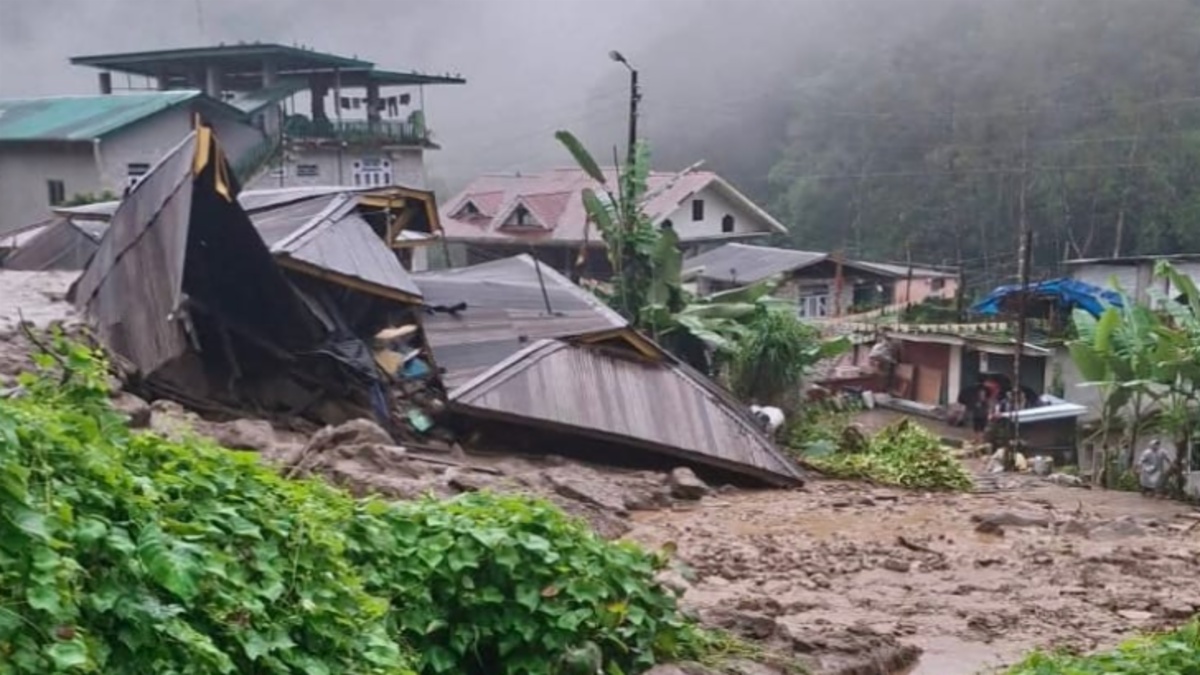
The severe landslide in Rimbi village of West Sikkim is another reminder of how vulnerable mountain communities remain during prolonged and intense rainfall. The latest incident damaged or destroyed several houses and government properties, while debris also threatened roads and local connectivity. No casualties have been reported so far.
Sikkim Chief Minister Prem Singh Tamang has directed authorities to remain on high alert, closely monitor the situation and take necessary measures to protect residents. The administration has also been carrying out damage assessments and relief operations as the risk of further landslides continues amid heavy rain.
The larger concern is that Rimbi’s latest landslide is not an isolated episode. The Sikkim State Disaster Management Authority had already identified Rimbi as vulnerable to further landslide activity earlier this month. Officials reported that debris had accumulated along the NiK Kholsa stream, while changes in the Rimbi River’s course and damage to bridges and roads had complicated the situation.
This makes disaster response more than an issue of immediate rescue and relief. Long-term mountain resilience needs to become a central part of infrastructure planning in Sikkim. Roads, bridges, drainage systems, housing and public facilities in vulnerable areas need to account for changing rainfall patterns and unstable slopes.
The immediate priority should understandably remain evacuation, relief and restoring essential connectivity. But once the emergency passes, detailed geological assessments and stronger slope-management measures will be equally important.
Rimbi demonstrates why development in fragile Himalayan terrain requires a careful balance between connectivity, infrastructure expansion and environmental risk. A disaster-ready Sikkim cannot depend only on emergency response; it needs stronger early-warning systems, safer construction practices and continuous monitoring of vulnerable slopes.
The government's high-alert response is important, but the longer-term test will be whether lessons from Rimbi translate into better preparedness and safer mountain infrastructure across Sikkim.

Comments