Article Body
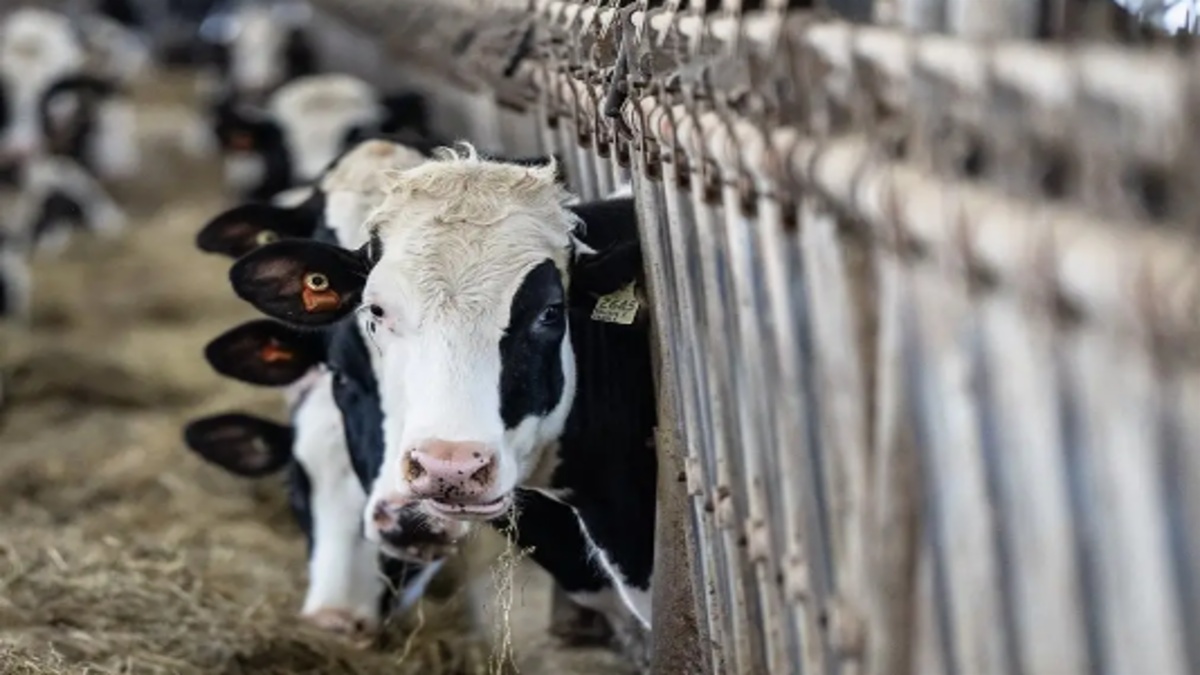
The latest US-Canada trade confrontation offers a striking reminder that tariffs are rarely confined to negotiating rooms. They eventually reach farms, factories, workers and consumers. In Canada, dairy farmers are now feeling that impact as US sales of Canadian dairy products have largely stalled following Washington’s 50 percent tariff on about $20 billion worth of Canadian goods.
The dairy sector is particularly vulnerable because milk cannot simply be stored indefinitely or redirected to another market overnight. Farmers continue producing milk every day, while processors depend on predictable demand. As Al Jazeera reports, one British Columbia farmer produces about 28,000 litres of raw milk every second day. If processors lose export demand, the pressure can eventually move back through the supply chain to farmers.
Bigger Problem Than Dairy
The dispute also highlights the complicated relationship between the United States and Canada's supply-management system. Washington argues that Canada's dairy policies restrict US access, while Canadian producers maintain that existing trade arrangements already provide significant access to American products. The numbers show that this is not a simple story of one-way trade: Canadian dairy exports to the US increased from C$241.3 million in 2020 to C$308.7 million in 2025, while Canadian dairy imports from the US more than doubled to C$1.355 billion during the same period.
Canada has responded with retaliatory tariffs covering US dairy products and other goods. Such measures may strengthen Canada's negotiating position, but they can also raise costs and create uncertainty for businesses and consumers. Oxford Economics has warned that retaliation could weaken economic growth by increasing costs.
The larger lesson is that tariffs may be announced as economic weapons, but their consequences are often deeply human. For farmers, milk production cannot be switched off when borders become more expensive. For consumers, prolonged trade tensions can mean higher prices and fewer choices.
US and Canadian policymakers therefore face a difficult balance: protecting domestic industries while preventing a tariff cycle from damaging the integrated supply chains that have developed across the two countries. The immediate dairy crisis shows why trade policy is not merely about percentages and billions of dollars—it is also about livelihoods that cannot be adjusted overnight.

Comments