Article Body
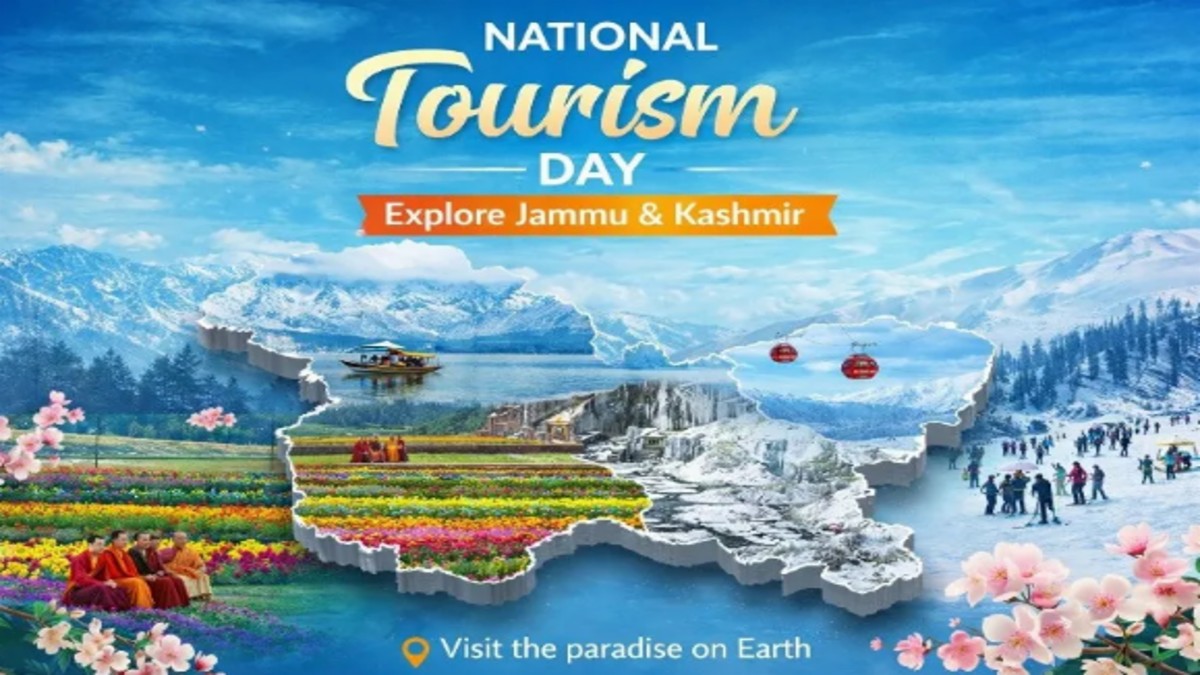
World Tourism Day offers an opportunity to look beyond tourism as a leisure activity and recognise its wider economic and social significance. In Jammu and Kashmir, Lieutenant Governor Manoj Sinha’s invitation to tourists on September 27, 2026, places the region’s natural beauty, hospitality and tourism potential at the centre of this conversation.
Jammu and Kashmir has long been associated with iconic destinations such as Srinagar, Gulmarg and Pahalgam. However, the future of J&K tourism increasingly depends on expanding the visitor experience beyond a handful of established locations. The development of pilgrimage, adventure, eco, rural, cultural and heritage tourism can help distribute tourist activity across different parts of the Union Territory.
Recent government statements have also highlighted efforts to develop alternative destinations and promote year-round tourism. In 2025, J&K recorded 1.78 crore tourist visits despite challenges affecting the sector, according to Lieutenant Governor Sinha. The administration has also emphasised homestays, rural tourism and emerging destinations as ways of generating employment and widening the economic benefits of tourism.
This diversification is important because tourism is not simply about attracting visitors. It supports hotels, transport operators, restaurants, guides, artisans, local producers and small businesses. Greater emphasis on lesser-known destinations could therefore create opportunities for communities that remain outside the traditional tourist circuits.
At the same time, growth needs to be accompanied by responsible tourism. Infrastructure, waste management, ecological protection, traffic management and preservation of local culture will become increasingly important as visitor numbers rise.
The World Tourism Day message, therefore, can be viewed as more than an invitation to admire Kashmir’s landscapes. It also highlights the possibility of building a broader tourism economy in which Jammu and Kashmir is experienced across seasons, regions and communities.
The challenge ahead is to ensure that tourism growth remains sustainable while allowing local people to participate meaningfully in the opportunities it creates.

Comments